Thursday, January 3, 2013
Favorite Maniraptor of 2011 Results
The results of last year's poll are in. While not as one-sided as the poll for 2010, we have a clear winner in the troodont Talos, followed by the basal paravian Xiaotingia. Not much of a surprise there!
A new poll for last year's newly-named maniraptor genera is now up as well, so go ahead and vote.
Wednesday, January 2, 2013
Review of 2012
My first shot at one of these end-of-the-year reviews that appear popular among bloggers. (Okay, technically it's a looking-back-at-the-previous-year review now, but it's in the same spirit.)
My blogging hit a bit of a rough patch in 2012, particularly during its first two-thirds. I did not draw any new Raptormaniacs comics at all, the only post directly related to the comic being an April Fools' joke, so it was a major "filler" year. Most of my posts instead were reviews, particularly of the BBC documentary Earthflight, and in later months zoo trip posts. More of the latter soon to come. I also need to finish up my Earthflight reviews; it's been more than a year since the show's initial premiere... Funnily, May 2012 was my most prolific month ever on my DeviantArt. I suppose it makes sense that increased activity at one site would eat into efforts put into the other.
In addition, I celebrated World Sparrow Day in March and shared some of my old comic ideas. Despite some mysterious problems with the sidebar poll (which I'll partly attribute to Blogger glitches), poll results for last year have made it through and I'll be doing a post on them shortly.
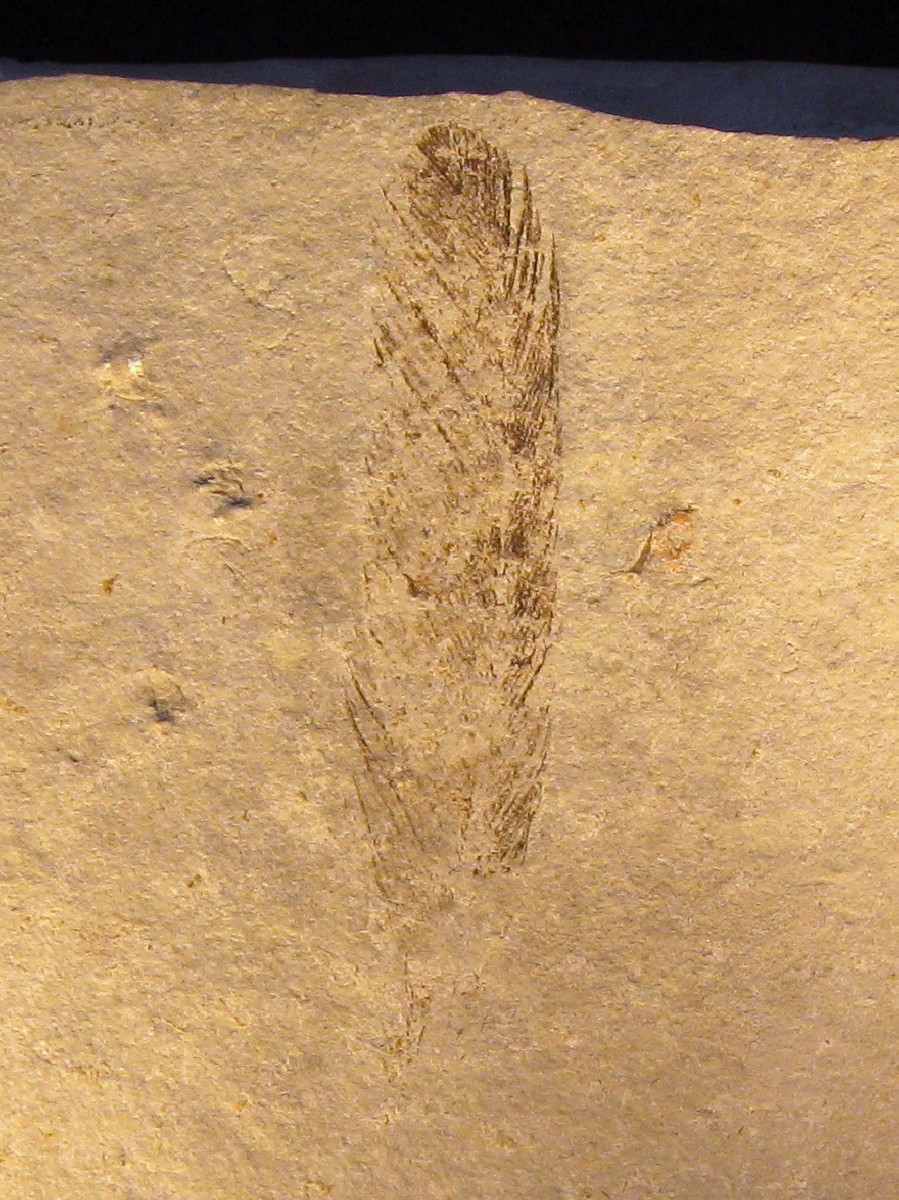
As usual it was a good haul for new maniraptor studies. In January, the color of the original Archaeopteryx specimen (a lone feather) was revealed to be black. Study of how agamas use their tails while leaping suggested similar mechanics for dromaeosaurids. Photographic evidence of albatrosses cleaning ocean sunfish of parasites was published for the first time. An assemblage of dodo remains was also described.
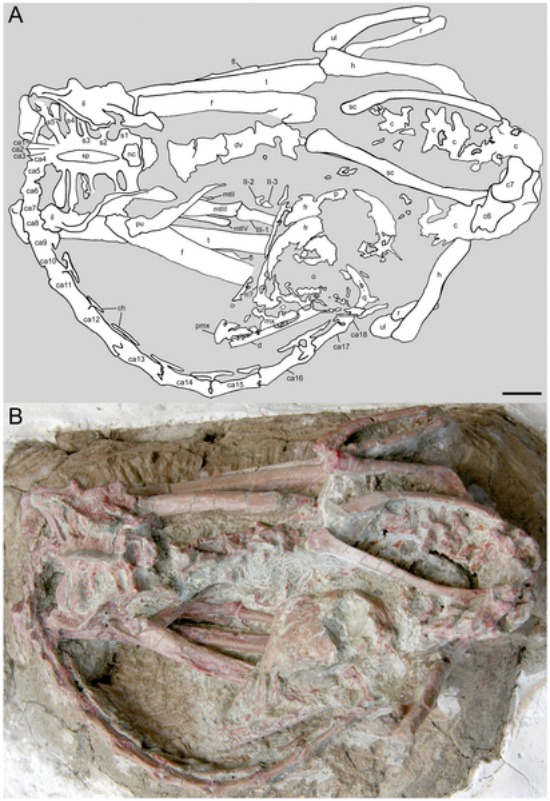
In February, two new specimens of the oviraptorosaur Nemegtomaia were described, one sitting on its nest. Budgerigars were shown capable of synchronizing body movements to rhythm. We also got new information on the bite of the Java finch and the revelation that the late Alex, an African gray parrot, could perform mathematical addition. A revision of the fragmentary Mesozoic avialan Liaoningornis showed that it was an enantiornithine. The first newly-named maniraptors of the year were published, at least among those that hadn't already been released online in 2011, including the fork-tailed Mesozoic euornithine Schizooura lii, the large Oligocene penguins Kairuku waitaki and Kairuku grebneffi, and the Oligocene piciform Picavus litencicensis.
In March, evidence of the dromaeosaurid Velociraptor eating (scavenging?) azhdarchid pterosaurs was published. The feather colors of the dromaeosaurid Microraptor were analyzed, showing it to be iridescent black. The specimen used in this study also preserved previously unknown characteristics of this dinosaur, such as a pair of ribbon-shaped tail feathers at the center of its tail fan. The idea that birds may literally see the Earth's magnetic field was suggested. The dark facial stripe of masked shrikes was demonstrated to reduce glare and the blind spots of Old World vultures were shown to make them vulnerable to wind turbines. Newly-named maniraptors included the hesperornithines Brodavis mongoliensis, Brodavis americanus, Brodavis baileyi, and Brodavis varneri (the last a former species of Baptornis) and the Madeiran scops owl (Otus mauli), an extinct Quaternary owl.
In April, the enigmatic maniraptor Yixianosaurus was put into a phylogenetic analysis. Birds with pheomelanin were found to suffer more commonly from cataracts and a new study on the production of iridescence in ducks was published. Spotted bowerbirds were documented to cultivate bush tomatoes for use in courtship displays. Neural correlates of magnetic sense in pigeons were identified. Newly-named maniraptors included the Miocene tinamou Crypturellus reai and the troodont Philovenator curriei (formerly a juvenile of Saurornithoides).
In May, colorful birds were found to evolve more quickly. A drowned nesting colony of enantiornithines was described. Birds were shown to have paedomorphic skulls. Long-term changes in the drinking habits of Adélie penguins and evidence of voice recognition in carrion crows were published. Functional studies also came out on the furculae of Mesozoic avialans and the neck of the phorusrhachid Andalgalornis. Newly-named maniraptors included the enantiornithine Xiangornis shenmi and the dromaeosaurids Yurgovuchia doellingi and Microraptor hanqingi (though some suspect M. hanqingi will turn out to be a synonym of one or more of the already-named Microraptor species).
In June, a description of the sound-making apparatus of club-winged manakins was published. The Mesozoic euornithine Chaoyangia was redescribed. Facial recognition was shown in pigeons and Gouldian finches were found to have different personalities based on head color. Coprolites of upland moa were used to infer their habits and habitat. Newly-named maniraptors included the pelagornithid Lutetodontopteryx tethyensis. June also marked the publication of the second edition of The Complete Dinosaur. Though I don't yet own a copy, I was happy to find out that it contains a chapter devoted to birds, including an extensive review of Cenozoic birds. While almost everyone (i.e.: professional paleontologists) accepts that birds are dinosaurs by now, inclusion of Cenozoic birds in the discussion of dinosaurs is still frequently lacking, so, please, more of this kind of thing.
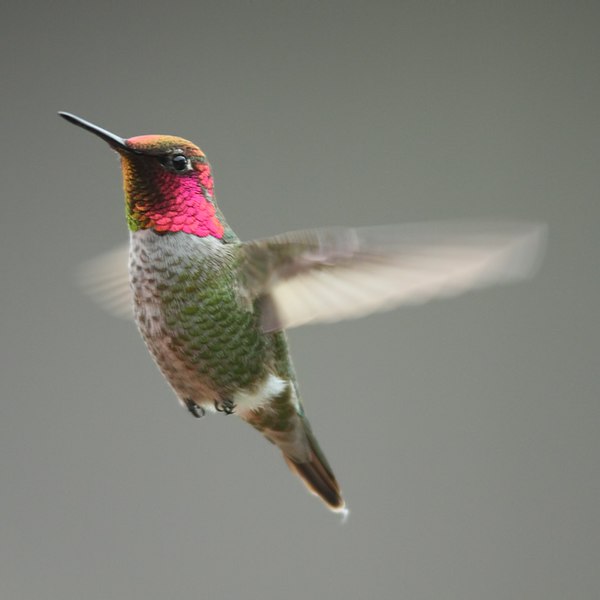
In July, a paper detailed the adaptations hummingbirds have to cope with flying in the rain. The (lack of) seasonal variation in the energetics of rock ptarmigans and the preference among Lincoln's sparrows for songs sung in the cold were studied. Newly-named maniraptors included the Pliocene woodpecker Australopicus nelsonmandelai.
In August, a subadult specimen of the Mesozoic avialan Sapeornis was described, preserving wing feathers. The benefits of polymorphism for the common cuckoo and the brain of the Miocene penguin Paraptenodytes were studied. Inferential reasoning was found in African gray parrots and the genome of the medium ground finch was sequenced. The oldest known Australian anseriform fossil was also described. An extensive paravian phylogeny was published, with emphasis on reviewing dromaeosaurid taxa. Newly-named maniraptors included the possible therizinosaur Martharaptor greenriverensis and several extant birds, the Sira barbet (Capito fitzpatricki), Camiguin hawk owl (Ninox leventisi), and Cebu hawk owl (Ninox rumseyi).
In September, causal reasoning was found in New Caledonian crows. A new specimen of the troodont Mei was described, surprisingly also in a sleeping posture. Possible grieving behavior in western scrub jays was documented. Possible molecular mechanisms behind unique feather types found in Mesozoic maniraptors were suggested.
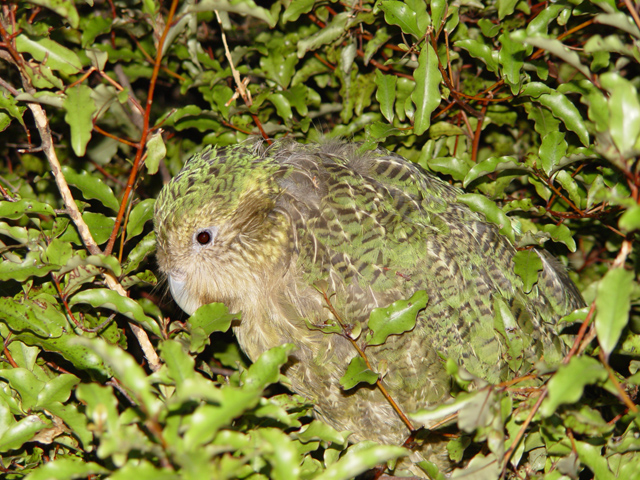
In October, kakapo were found to be (former) pollinators of wood roses. New Caledonian crows were discovered to be physically well adapted for tool-using and Gouldian finches were shown to choose mates with their right eye. The tongue mechanisms of hummingbirds, ontogeny of enantiornithine sterna, and bite force of the therizinosaur Erlikosaurus were also studied. A Miocene flamingo twig nest was described and a large molecular study of modern birds was published. Newly-named maniraptors included the enantiornithine Shengjingornis yangi and the possible alvarezsaur Alnashetri cerropoliciensis.
In November, a Goffin's cockatoo was observed creating and using tools for the first time. Another posthumously published study on Alex the African gray parrot showed that he could infer the relationship between cardinal and ordinal numbers. Fairy wrens were found to teach their unhatched young vocal passwords to identify brood parasites. The evolution of vocal mimicry in parrots and size in herbivorous coelurosaurs (including maniraptors) were studied. Non-pygostylian paravians were revealed to have had more covert feather layers. Papers were also published on the migration habits of bar-headed geese and how pigeons learn new flight routes.
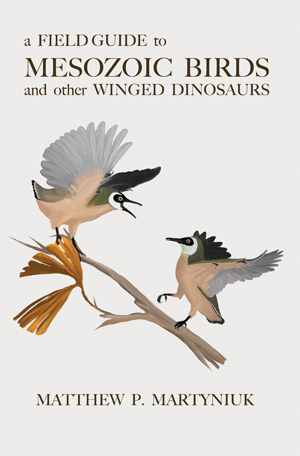
In December, a study about implications of claw curvature for the lifestyles of theropods (including maniraptors) was published. The brains of charadriiforms and therizinosaurs were both extensively studied. Evidence was found for theory of mind in Eurasian jays. Birdsong was discovered to stimulate birds similarly to how music stimulates humans. Last but not least, evidence was presented that Piksi, Eurolimnornis, and Palaeocursornis, long thought to be Mesozoic avialans, were actually pterosaurs. Matt Martyniuk's field guide to Mesozoic aviremigians came out as well, a boon for fans of Mesozoic birds. (My review of this book can be found here.)
I apologize that my coverage of Cenozoic maniraptors is never as comprehensive as that of Mesozoic ones, and I wish that weren't the case. If only I knew a centralized resource where new studies on Cenozoic dinosaurs were shared in a timely manner, similar to how the Dinosaur Mailing List works for Mesozoic dinosaurs. I do advocate that the DML, being the Dinosaur Mailing List, is an appropriate outlet for spreading word on Cenozoic bird news as well (and some Cenozoic bird papers are indeed posted there now and then), but it's understandable that regular posters there don't follow the relevant journals as closely.
While not directly related to this blog, I must also mention that the 2013 Archosaur Calendar is out. This was a collaborative project by the paleontology-themed Hell Creek forum, organized by Tomozaurus, Ferahgo, and myself and featuring the artwork of many other notable online paleoartists.
My blogging hit a bit of a rough patch in 2012, particularly during its first two-thirds. I did not draw any new Raptormaniacs comics at all, the only post directly related to the comic being an April Fools' joke, so it was a major "filler" year. Most of my posts instead were reviews, particularly of the BBC documentary Earthflight, and in later months zoo trip posts. More of the latter soon to come. I also need to finish up my Earthflight reviews; it's been more than a year since the show's initial premiere... Funnily, May 2012 was my most prolific month ever on my DeviantArt. I suppose it makes sense that increased activity at one site would eat into efforts put into the other.
In addition, I celebrated World Sparrow Day in March and shared some of my old comic ideas. Despite some mysterious problems with the sidebar poll (which I'll partly attribute to Blogger glitches), poll results for last year have made it through and I'll be doing a post on them shortly.
As usual it was a good haul for new maniraptor studies. In January, the color of the original Archaeopteryx specimen (a lone feather) was revealed to be black. Study of how agamas use their tails while leaping suggested similar mechanics for dromaeosaurids. Photographic evidence of albatrosses cleaning ocean sunfish of parasites was published for the first time. An assemblage of dodo remains was also described.
| The original Archaeopteryx feather, photographed by H. Raab, licensed. |
In February, two new specimens of the oviraptorosaur Nemegtomaia were described, one sitting on its nest. Budgerigars were shown capable of synchronizing body movements to rhythm. We also got new information on the bite of the Java finch and the revelation that the late Alex, an African gray parrot, could perform mathematical addition. A revision of the fragmentary Mesozoic avialan Liaoningornis showed that it was an enantiornithine. The first newly-named maniraptors of the year were published, at least among those that hadn't already been released online in 2011, including the fork-tailed Mesozoic euornithine Schizooura lii, the large Oligocene penguins Kairuku waitaki and Kairuku grebneffi, and the Oligocene piciform Picavus litencicensis.
| Holotype of Schizooura lii, from Zhou et al., 2012. |
In March, evidence of the dromaeosaurid Velociraptor eating (scavenging?) azhdarchid pterosaurs was published. The feather colors of the dromaeosaurid Microraptor were analyzed, showing it to be iridescent black. The specimen used in this study also preserved previously unknown characteristics of this dinosaur, such as a pair of ribbon-shaped tail feathers at the center of its tail fan. The idea that birds may literally see the Earth's magnetic field was suggested. The dark facial stripe of masked shrikes was demonstrated to reduce glare and the blind spots of Old World vultures were shown to make them vulnerable to wind turbines. Newly-named maniraptors included the hesperornithines Brodavis mongoliensis, Brodavis americanus, Brodavis baileyi, and Brodavis varneri (the last a former species of Baptornis) and the Madeiran scops owl (Otus mauli), an extinct Quaternary owl.
| Restoration of Microraptor incorporating new anatomical information (including color), from Li et al., 2012. |
In April, the enigmatic maniraptor Yixianosaurus was put into a phylogenetic analysis. Birds with pheomelanin were found to suffer more commonly from cataracts and a new study on the production of iridescence in ducks was published. Spotted bowerbirds were documented to cultivate bush tomatoes for use in courtship displays. Neural correlates of magnetic sense in pigeons were identified. Newly-named maniraptors included the Miocene tinamou Crypturellus reai and the troodont Philovenator curriei (formerly a juvenile of Saurornithoides).
| Spotted bowerbird, photographed by Tom Tarrant, licensed. |
In May, colorful birds were found to evolve more quickly. A drowned nesting colony of enantiornithines was described. Birds were shown to have paedomorphic skulls. Long-term changes in the drinking habits of Adélie penguins and evidence of voice recognition in carrion crows were published. Functional studies also came out on the furculae of Mesozoic avialans and the neck of the phorusrhachid Andalgalornis. Newly-named maniraptors included the enantiornithine Xiangornis shenmi and the dromaeosaurids Yurgovuchia doellingi and Microraptor hanqingi (though some suspect M. hanqingi will turn out to be a synonym of one or more of the already-named Microraptor species).
| Complete enantiornithine eggs (above) and eggshell fragments (below), from Dyke et al., 2012. |
In June, a description of the sound-making apparatus of club-winged manakins was published. The Mesozoic euornithine Chaoyangia was redescribed. Facial recognition was shown in pigeons and Gouldian finches were found to have different personalities based on head color. Coprolites of upland moa were used to infer their habits and habitat. Newly-named maniraptors included the pelagornithid Lutetodontopteryx tethyensis. June also marked the publication of the second edition of The Complete Dinosaur. Though I don't yet own a copy, I was happy to find out that it contains a chapter devoted to birds, including an extensive review of Cenozoic birds. While almost everyone (i.e.: professional paleontologists) accepts that birds are dinosaurs by now, inclusion of Cenozoic birds in the discussion of dinosaurs is still frequently lacking, so, please, more of this kind of thing.
| Club-winged manakin, photographed by Michael Woodruff, licensed. |
In July, a paper detailed the adaptations hummingbirds have to cope with flying in the rain. The (lack of) seasonal variation in the energetics of rock ptarmigans and the preference among Lincoln's sparrows for songs sung in the cold were studied. Newly-named maniraptors included the Pliocene woodpecker Australopicus nelsonmandelai.
| Anna's hummingbird, photographed by Alan Vernon, licensed. |
In August, a subadult specimen of the Mesozoic avialan Sapeornis was described, preserving wing feathers. The benefits of polymorphism for the common cuckoo and the brain of the Miocene penguin Paraptenodytes were studied. Inferential reasoning was found in African gray parrots and the genome of the medium ground finch was sequenced. The oldest known Australian anseriform fossil was also described. An extensive paravian phylogeny was published, with emphasis on reviewing dromaeosaurid taxa. Newly-named maniraptors included the possible therizinosaur Martharaptor greenriverensis and several extant birds, the Sira barbet (Capito fitzpatricki), Camiguin hawk owl (Ninox leventisi), and Cebu hawk owl (Ninox rumseyi).
| New Sapeornis specimen, from Gao et al., 2012. |
In September, causal reasoning was found in New Caledonian crows. A new specimen of the troodont Mei was described, surprisingly also in a sleeping posture. Possible grieving behavior in western scrub jays was documented. Possible molecular mechanisms behind unique feather types found in Mesozoic maniraptors were suggested.
| New Mei specimen, from Gao et al., 2012. |
In October, kakapo were found to be (former) pollinators of wood roses. New Caledonian crows were discovered to be physically well adapted for tool-using and Gouldian finches were shown to choose mates with their right eye. The tongue mechanisms of hummingbirds, ontogeny of enantiornithine sterna, and bite force of the therizinosaur Erlikosaurus were also studied. A Miocene flamingo twig nest was described and a large molecular study of modern birds was published. Newly-named maniraptors included the enantiornithine Shengjingornis yangi and the possible alvarezsaur Alnashetri cerropoliciensis.
| Kakapo, photographed by Mnolf, licensed. |
In November, a Goffin's cockatoo was observed creating and using tools for the first time. Another posthumously published study on Alex the African gray parrot showed that he could infer the relationship between cardinal and ordinal numbers. Fairy wrens were found to teach their unhatched young vocal passwords to identify brood parasites. The evolution of vocal mimicry in parrots and size in herbivorous coelurosaurs (including maniraptors) were studied. Non-pygostylian paravians were revealed to have had more covert feather layers. Papers were also published on the migration habits of bar-headed geese and how pigeons learn new flight routes.
| Goffin's cockatoo using stick as tool, from Auersperg et al., 2012. |
In December, a study about implications of claw curvature for the lifestyles of theropods (including maniraptors) was published. The brains of charadriiforms and therizinosaurs were both extensively studied. Evidence was found for theory of mind in Eurasian jays. Birdsong was discovered to stimulate birds similarly to how music stimulates humans. Last but not least, evidence was presented that Piksi, Eurolimnornis, and Palaeocursornis, long thought to be Mesozoic avialans, were actually pterosaurs. Matt Martyniuk's field guide to Mesozoic aviremigians came out as well, a boon for fans of Mesozoic birds. (My review of this book can be found here.)
| Cover of Matt Martyniuk's new field guide. |
I apologize that my coverage of Cenozoic maniraptors is never as comprehensive as that of Mesozoic ones, and I wish that weren't the case. If only I knew a centralized resource where new studies on Cenozoic dinosaurs were shared in a timely manner, similar to how the Dinosaur Mailing List works for Mesozoic dinosaurs. I do advocate that the DML, being the Dinosaur Mailing List, is an appropriate outlet for spreading word on Cenozoic bird news as well (and some Cenozoic bird papers are indeed posted there now and then), but it's understandable that regular posters there don't follow the relevant journals as closely.
While not directly related to this blog, I must also mention that the 2013 Archosaur Calendar is out. This was a collaborative project by the paleontology-themed Hell Creek forum, organized by Tomozaurus, Ferahgo, and myself and featuring the artwork of many other notable online paleoartists.
![]() |
| Cover of Hell Creek's 2013 Archosaur Calendar featuring all included artworks, designed by myself and modified by Ferahgo/Emily Willoughby. |
Sunday, December 9, 2012
A Field Guide to Mesozoic Birds and Other Winged Dinosaurs
Those who read my lowly blog will no doubt be familiar with the work of Matt Martyniuk. As an incredibly talented paleoartist, Matt's restorations of prehistoric life are both aesthetically appealing and meticulously researched. In particular, he specializes in (and is probably best known for) depicting Mesozoic birds (=Aviremigia in his personally preferred usage). Additionally, he is a founding member of WikiProject Dinosaurs, a collaborative project that aims to increase the quality of Wikipedia dinosaur articles, and is single-handedly responsible for many of the life restorations and (especially) iconic scale charts present on the online encyclopedia.
One of the greatest contributors to the excellence of Matt's paleoart is the sheer thought and research that has been put into them. Many of the posts on his blog, DinoGoss, discuss aspects of paleoart that are frequently glossed over and yet immensely crucial to the field, such as the processes and biological significance behind feather colors. For this reason I have long thought that it would be magnificent if Matt wrote a self-illustrated book on restoring Mesozoic birds.
As it turns out, he did. About a month ago he teased us all with a picture of the following book cover on Facebook, and later wrote a more extensive article about the subject on DinoGoss.
The book is now out. Having spent two years in the making (so that's why Matt hasn't uploaded much on his DeviantArt for a while), for most part the book does not disappoint. The first few sections of the book detail the evolution and diversity of Mesozoic birds as well as things to take into account when restoring them, some of these incorporating updated versions of DinoGoss posts. Being the very topics I'd hoped Matt would cover were he to write a book, I found these chapters highly enjoyable and they will doubtless serve as a useful guide to other paleoartists looking to illustrate Mesozoic avifauna. Longtime followers of Matt will likely be able to identify nods to his online interactions and activities. Case in point, in order to demonstrate how feathers can obscure skeletal features, Matt uses the deinonychosaurs Troodon and Saurornitholestes to show that even dinosaurs that are supposedly anatomically disparate may have been hard to distinguish in life were we armed only with skeletal characteristics for identification, the same genera Mickey Mortimer used as an example in a comment on DinoGoss.
The main bulk of the book is presented in, as the title implies, a field guide format. With two chapters on oviraptorosaurs, five on deinonychosaurs (and some phylogenetically ambiguous paravians), one on non-ornithothoracine avialans, four on enantiornithines, and five on Mesozoic euornithines, each preceded by a phylogeny indicating the likely positions of taxa discussed, this presents near-comprehensive coverage on the known extent of aviremigian variety in the Mesozoic. Life restorations of almost all known Mesozoic aviremigian species are present, often shown in multiple views, poses, and sometimes ontogenetic stages, each accompanied by a scale chart done in Matt's recognizable style. For a great many aviremigian species, especially avialans, these are likely the first time they have been seriously restored, much less in print. Ornithologically savvy readers will be able to identify choices in coloration inspired by modern birds, though none fall into the trap of being a direct ripoff of a modern species. The succinct but informative text (as is typical for a field guide) lays down the physical characteristics, habitat, and known natural history of each taxon. Much of this will be a great help for buffing up the descriptions in my own list of maniraptors, again particularly with respect to avialans. There are a few cases where I felt that certain interesting facts that could have been added were missing, like Sinornithosaurus being known to have been preyed on (or at least eaten) by the compsognathid Sinocalliopteryx, but such preferences delve into the subjective side of things. Species too fragmentary to be reliably restored are listed in an appendix at the end of the book.
The book is immensely up to date, including even the last aviremigian to be published prior to its launch (Shengjingornis) and incorporating new research on the number of covert layers present in basal aviremigians. A recent paper that heavily influences the content of the book but came out too late to be extensively incorporated was the description of wings in ornithomimosaurs. Though the wing feathers of these specimens are not directly preserved, the authors of the study suggest they were pennaceous, potentially making ornithomimosaurs (and thus all maniraptoriforms) aviremigians. Should this be the case, any subsequent editions or companion volumes to this book would have to include at least ornithomimosaurs, therizinosaurs, and alvarezsaurs in addition to the groups it already has. Commendably, this discovery does get acknowledged in the introductory chapters of the book, and either way this does not cheapen this guide's value. Science marches on is an inevitable acquaintance of the best of us, and the book remains an indispensable reference for the groups it has managed to include.
If there's anything that does remotely detract from this gem, it's the typos. While on the whole they don't hamper the usefulness of the book, typos are abundant enough to be noticeable, especially to paleo-savvy readers. Most of these are spelling errors, but the most glaring example is that Cryptovolans is incorrectly stated to hail from the Upper Cretaceous Dinosaur Park Formation in Alberta, Canada. More extensive proofreading could've considerably increased the quality in this regard.
A bibliography is available at the back of the book, which I approve of (the last reference listed even has quite a bit of tongue-in-cheek humor to it), though I do feel that even more references could have been included. For instance, Velociraptor being known to have scavenged was evidently based on Hone et al. (2010), and yet this paper was not listed as a source. There are also countless specimen description papers that must've been referenced in a project of this type but are not mentioned. Although creating an exhaustive bibliography may not have been the main purpose of this book, it does appear strange to me that only some of the references used were credited. This is arguably especially important for the unpublished tidbits that are brought up. For example, Tianyuraptor is said to have had long neck feathers based on an undescribed mid-sized dromaeosaurid that preserves this feature and may be a specimen of said taxon. Those who are aware of this specimen will know the source of this, but those who know Tianyuraptor only from its published description (based on a specimen that preserves no feathers at all) may well be confused by this information.
There are also a few unexplained omissions to the list of Mesozoic aviremigians. Borogovia, Pamparaptor, Shanag, Otogornis, and Longchengornis are neither included as field guide entries nor mentioned in the appendix (or anywhere else that would explain their truancy). Hesperonychus is also bizarrely absent, despite being namedropped in one of the introductory chapters. (Edit: And Alethoalaornis too. See comments for more on the situation with these MIA taxa; thanks for chiming in, Matt!)
These are but quibbles, outweighed immeasurably by the book's numerous finer points, and if this review appears to imply otherwise it is only because I hold this work to such high standards. This is a book I'd recommend to everyone with an interest in some of the most wonderful of all creatures (i.e.: birds) and easily deserves a place of its own among works of this genre.
One of the greatest contributors to the excellence of Matt's paleoart is the sheer thought and research that has been put into them. Many of the posts on his blog, DinoGoss, discuss aspects of paleoart that are frequently glossed over and yet immensely crucial to the field, such as the processes and biological significance behind feather colors. For this reason I have long thought that it would be magnificent if Matt wrote a self-illustrated book on restoring Mesozoic birds.
As it turns out, he did. About a month ago he teased us all with a picture of the following book cover on Facebook, and later wrote a more extensive article about the subject on DinoGoss.
The book is now out. Having spent two years in the making (so that's why Matt hasn't uploaded much on his DeviantArt for a while), for most part the book does not disappoint. The first few sections of the book detail the evolution and diversity of Mesozoic birds as well as things to take into account when restoring them, some of these incorporating updated versions of DinoGoss posts. Being the very topics I'd hoped Matt would cover were he to write a book, I found these chapters highly enjoyable and they will doubtless serve as a useful guide to other paleoartists looking to illustrate Mesozoic avifauna. Longtime followers of Matt will likely be able to identify nods to his online interactions and activities. Case in point, in order to demonstrate how feathers can obscure skeletal features, Matt uses the deinonychosaurs Troodon and Saurornitholestes to show that even dinosaurs that are supposedly anatomically disparate may have been hard to distinguish in life were we armed only with skeletal characteristics for identification, the same genera Mickey Mortimer used as an example in a comment on DinoGoss.
The main bulk of the book is presented in, as the title implies, a field guide format. With two chapters on oviraptorosaurs, five on deinonychosaurs (and some phylogenetically ambiguous paravians), one on non-ornithothoracine avialans, four on enantiornithines, and five on Mesozoic euornithines, each preceded by a phylogeny indicating the likely positions of taxa discussed, this presents near-comprehensive coverage on the known extent of aviremigian variety in the Mesozoic. Life restorations of almost all known Mesozoic aviremigian species are present, often shown in multiple views, poses, and sometimes ontogenetic stages, each accompanied by a scale chart done in Matt's recognizable style. For a great many aviremigian species, especially avialans, these are likely the first time they have been seriously restored, much less in print. Ornithologically savvy readers will be able to identify choices in coloration inspired by modern birds, though none fall into the trap of being a direct ripoff of a modern species. The succinct but informative text (as is typical for a field guide) lays down the physical characteristics, habitat, and known natural history of each taxon. Much of this will be a great help for buffing up the descriptions in my own list of maniraptors, again particularly with respect to avialans. There are a few cases where I felt that certain interesting facts that could have been added were missing, like Sinornithosaurus being known to have been preyed on (or at least eaten) by the compsognathid Sinocalliopteryx, but such preferences delve into the subjective side of things. Species too fragmentary to be reliably restored are listed in an appendix at the end of the book.
The book is immensely up to date, including even the last aviremigian to be published prior to its launch (Shengjingornis) and incorporating new research on the number of covert layers present in basal aviremigians. A recent paper that heavily influences the content of the book but came out too late to be extensively incorporated was the description of wings in ornithomimosaurs. Though the wing feathers of these specimens are not directly preserved, the authors of the study suggest they were pennaceous, potentially making ornithomimosaurs (and thus all maniraptoriforms) aviremigians. Should this be the case, any subsequent editions or companion volumes to this book would have to include at least ornithomimosaurs, therizinosaurs, and alvarezsaurs in addition to the groups it already has. Commendably, this discovery does get acknowledged in the introductory chapters of the book, and either way this does not cheapen this guide's value. Science marches on is an inevitable acquaintance of the best of us, and the book remains an indispensable reference for the groups it has managed to include.
If there's anything that does remotely detract from this gem, it's the typos. While on the whole they don't hamper the usefulness of the book, typos are abundant enough to be noticeable, especially to paleo-savvy readers. Most of these are spelling errors, but the most glaring example is that Cryptovolans is incorrectly stated to hail from the Upper Cretaceous Dinosaur Park Formation in Alberta, Canada. More extensive proofreading could've considerably increased the quality in this regard.
A bibliography is available at the back of the book, which I approve of (the last reference listed even has quite a bit of tongue-in-cheek humor to it), though I do feel that even more references could have been included. For instance, Velociraptor being known to have scavenged was evidently based on Hone et al. (2010), and yet this paper was not listed as a source. There are also countless specimen description papers that must've been referenced in a project of this type but are not mentioned. Although creating an exhaustive bibliography may not have been the main purpose of this book, it does appear strange to me that only some of the references used were credited. This is arguably especially important for the unpublished tidbits that are brought up. For example, Tianyuraptor is said to have had long neck feathers based on an undescribed mid-sized dromaeosaurid that preserves this feature and may be a specimen of said taxon. Those who are aware of this specimen will know the source of this, but those who know Tianyuraptor only from its published description (based on a specimen that preserves no feathers at all) may well be confused by this information.
There are also a few unexplained omissions to the list of Mesozoic aviremigians. Borogovia, Pamparaptor, Shanag, Otogornis, and Longchengornis are neither included as field guide entries nor mentioned in the appendix (or anywhere else that would explain their truancy). Hesperonychus is also bizarrely absent, despite being namedropped in one of the introductory chapters. (Edit: And Alethoalaornis too. See comments for more on the situation with these MIA taxa; thanks for chiming in, Matt!)
These are but quibbles, outweighed immeasurably by the book's numerous finer points, and if this review appears to imply otherwise it is only because I hold this work to such high standards. This is a book I'd recommend to everyone with an interest in some of the most wonderful of all creatures (i.e.: birds) and easily deserves a place of its own among works of this genre.
Tuesday, October 30, 2012
National Zoo: Third Time's the Charm?
More trips to the National Zoo, yay.
A red-billed hornbill in the Bird House.
In the same exhibit, some black crakes that were too active for me to photograph effectively.
A little blue heron.
A pygmy falcon. Cuteness is a thing among small endothermic predators, I tell ya.
A great argus. Many galliforms have elaborate courtship displays, and this one is no exception. The wings of the male can open up into an astounding display, somewhat reminiscent of the tail feathers of a peacock. Visitor comment on this animal: "What is that ugly crap?"
And kiwis still hate me, but that should go unsaid by now.
A double-wattled cormorant in the outdoor aviary. It having no fear of people, I was able to get a very good look at it preening its feathers. Later on it went for a swim and hopped onto a platform right in front of me, where it splashed and snapped at my face!
Some female smew.
A pair of peafowl with bamboo partridges nearby. I almost got a shot of a tragopan in the same frame as well, but it walked out of range as I snapped the picture.
A northern cardinal.
Perhaps the most surprising thing on this trip was that I ran into Rudyspino, a fellow online paleontology enthusiast! I'd known that he visited the National Zoo with some frequency (and have mentioned him on this blog in the past), but it was still rather unexpected. I recognized him as a fellow paleontology enthusiast thanks to him wearing a t-shirt bearing one of David Orr's wonderful designs ("Spinosauridae"), and Rudyspino being the only one I knew of who visited the National Zoo regularly I put two and two together. I accompanied him back into the outdoor aviary (I'd just been leaving the aviary when I bumped into Rudy) and to the seriema exhibit (one of his favorites at the zoo), and afterward he wanted to look at his favorite extant species, the ravens (whose existence at the zoo I'd told him about online mere days ago), which were on the American Trail.
On the way, I noticed this amusing sign I hadn't seen before.
I hadn't seen the ravens on my last visit to the American Trail, but fortunately for Rudy they were out and about this time. Who needs dinosauroids when you have the real thing?
We also had a good look at the hooded mergansers, gray wolves, seals, sea lions, and pelicans, but Rudy's luck didn't hold when we came to the bald eagles. (He's informed me that he has managed to see them on subsequent trips, however.) We parted ways soon afterward, as he had to leave. I continued onwards to the Small Mammal House.
A red ruffed lemur. It lived in a large exhibit (comparable to the South American themed one I've mentioned before) with rock hyraxes and blue-naped mousebirds. I caught a glimpse of a mousebird, but it flew into thick foliage before I could get a photo, while the hyaxes were nowhere to be seen. The lemur off to the left is actually a stuffed animal, by the way, acting as a temporary companion for the real lemur, who'd been alone in the exhibit when I visited.
A degu. The tail of these rodents break off easily when grabbed by a predator. Sadly, unlike lizard tails, these don't grow back. Degus display some surprisingly intelligent behaviors, known to spontaneously pile objects in order of decreasing size (something otherwise only observed in primates and birds) and capable of being taught to use tools.
An American alligator outside the Reptile Discovery Center.
A freshwater stingray on the lower floor of Amazonia.
A Goeldi's monkey on the upper floor. I don't recall seeing these on any of the signs at Amazonia (nor the actual animals themselves on previous trips), so I suspect they've been newly placed into the exhibit.
A silver-beaked tanager.
A tiger salamander in the amphibian exhibition at Amazonia.
A gray tree frog, native to eastern North America. Those who have read Thornton Burgess's stories will know it as Stickytoes the Tree Toad. (What do you mean, "You're the only one"?)
Some red-spotted newts.
Passing by the American Trail on my way back, I finally got to see the bald eagle.
On my previous trips to the National Zoo I'd seen signs for griffon vultures at the gazelle and oryx exhibit but had become really confused while trying to find them. I'd assumed they must've been flightless (either through wing clipping or permanent injury to the wing) because the exhibit was open air, and yet couldn't find any no matter how hard I searched across the ground and any low perches they could conceivably reach. This time, Rudy had informed me that he had seen a griffon vulture and that it was in a separate cage in the back of the gazelle and oryx exhibit. Right before I left the zoo I went and looked and lo and behold. I do wonder if the zoo has any further plans for the griffon vulture, as the exhibit looked rather cramped and drab compared to the general quality of the zoo's other enclosures, and it wasn't situated in a place conducive to visitor viewing (I took this picture on maximum zoom, for perspective).
A red-billed hornbill in the Bird House.
In the same exhibit, some black crakes that were too active for me to photograph effectively.
A little blue heron.
A pygmy falcon. Cuteness is a thing among small endothermic predators, I tell ya.
A great argus. Many galliforms have elaborate courtship displays, and this one is no exception. The wings of the male can open up into an astounding display, somewhat reminiscent of the tail feathers of a peacock. Visitor comment on this animal: "What is that ugly crap?"
And kiwis still hate me, but that should go unsaid by now.
A double-wattled cormorant in the outdoor aviary. It having no fear of people, I was able to get a very good look at it preening its feathers. Later on it went for a swim and hopped onto a platform right in front of me, where it splashed and snapped at my face!
Some female smew.
A pair of peafowl with bamboo partridges nearby. I almost got a shot of a tragopan in the same frame as well, but it walked out of range as I snapped the picture.
A northern cardinal.
Perhaps the most surprising thing on this trip was that I ran into Rudyspino, a fellow online paleontology enthusiast! I'd known that he visited the National Zoo with some frequency (and have mentioned him on this blog in the past), but it was still rather unexpected. I recognized him as a fellow paleontology enthusiast thanks to him wearing a t-shirt bearing one of David Orr's wonderful designs ("Spinosauridae"), and Rudyspino being the only one I knew of who visited the National Zoo regularly I put two and two together. I accompanied him back into the outdoor aviary (I'd just been leaving the aviary when I bumped into Rudy) and to the seriema exhibit (one of his favorites at the zoo), and afterward he wanted to look at his favorite extant species, the ravens (whose existence at the zoo I'd told him about online mere days ago), which were on the American Trail.
On the way, I noticed this amusing sign I hadn't seen before.
I hadn't seen the ravens on my last visit to the American Trail, but fortunately for Rudy they were out and about this time. Who needs dinosauroids when you have the real thing?
We also had a good look at the hooded mergansers, gray wolves, seals, sea lions, and pelicans, but Rudy's luck didn't hold when we came to the bald eagles. (He's informed me that he has managed to see them on subsequent trips, however.) We parted ways soon afterward, as he had to leave. I continued onwards to the Small Mammal House.
A red ruffed lemur. It lived in a large exhibit (comparable to the South American themed one I've mentioned before) with rock hyraxes and blue-naped mousebirds. I caught a glimpse of a mousebird, but it flew into thick foliage before I could get a photo, while the hyaxes were nowhere to be seen. The lemur off to the left is actually a stuffed animal, by the way, acting as a temporary companion for the real lemur, who'd been alone in the exhibit when I visited.
A degu. The tail of these rodents break off easily when grabbed by a predator. Sadly, unlike lizard tails, these don't grow back. Degus display some surprisingly intelligent behaviors, known to spontaneously pile objects in order of decreasing size (something otherwise only observed in primates and birds) and capable of being taught to use tools.
An American alligator outside the Reptile Discovery Center.
A freshwater stingray on the lower floor of Amazonia.
A Goeldi's monkey on the upper floor. I don't recall seeing these on any of the signs at Amazonia (nor the actual animals themselves on previous trips), so I suspect they've been newly placed into the exhibit.
A silver-beaked tanager.
A tiger salamander in the amphibian exhibition at Amazonia.
A gray tree frog, native to eastern North America. Those who have read Thornton Burgess's stories will know it as Stickytoes the Tree Toad. (What do you mean, "You're the only one"?)
Some red-spotted newts.
Passing by the American Trail on my way back, I finally got to see the bald eagle.
On my previous trips to the National Zoo I'd seen signs for griffon vultures at the gazelle and oryx exhibit but had become really confused while trying to find them. I'd assumed they must've been flightless (either through wing clipping or permanent injury to the wing) because the exhibit was open air, and yet couldn't find any no matter how hard I searched across the ground and any low perches they could conceivably reach. This time, Rudy had informed me that he had seen a griffon vulture and that it was in a separate cage in the back of the gazelle and oryx exhibit. Right before I left the zoo I went and looked and lo and behold. I do wonder if the zoo has any further plans for the griffon vulture, as the exhibit looked rather cramped and drab compared to the general quality of the zoo's other enclosures, and it wasn't situated in a place conducive to visitor viewing (I took this picture on maximum zoom, for perspective).
Labels:
Avialans,
National Zoo,
Shock horror a non maniraptor,
Trip
Monday, October 29, 2012
National Zoo Redux Part VII: Small Furry Friends New and Old
Circling back towards the main zoo entrance, I stopped by at the Small Mammal House. This is a golden-headed lion tamarin, a species I don't remember seeing on my first trip.
A nice photo I got of a tree shrew, considering that it can seem to an onlooker that these guys almost never stop moving. I heard another visitor dismiss it as a "common squirrel", and felt immense satisfaction when she was immediately berated by her companion, who'd actually bothered to read the damn sign. Tree shrews are neither squirrels nor shrews, but one of our closest non-primate relatives.
The short-eared elephant shrew was out and about that day being adorable. For some reason or another it took a tumble off the rock platform right after it finished doing whatever it was doing, and it was hard to tell if that was a deliberate action on its part or not. Don't worry, it appeared to be unharmed.
It'd just happened to be feeding time in the Small Mammal House when I visited, and I got to see a keeper tending the large tamarin/saki/armadillo/acouchi/sloth/tinamou exhibit. The armadillo was buried in the substrate initially, but the keeper appeared to know exactly where it would be and uncovered it, then scattered crickets nearby so it could feed. I didn't get to see it eat, but it did unroll a few moments later. Incidentally, I'd also managed to see the acouchi (which I hadn't last time), but in the same moment that I started up my camera, it scampered out of sight. Someday...
A Prevost's squirrel gnawing on an ice cube. The exhibits at the Small Mammal House can come across as somewhat repetitive (for example, there are multiple exhibits there housing Prevost's squirrels), but in this case it may be a good thing, as it allows visitors a better chance to see certain species of small mammals, which can be rather secretive. (Granted, Prevost's squirrels are pretty hard to miss.)
A Damaraland mole rat, one of the two known species of eusocial mammals. Though I didn't take any pictures of them, the zoo exhibits the other species, the naked mole rat, as well in parallel (though not interconnected) tubes just below the ones that contain the Damaraland mole rats. Unlike the naked mole rat, the Damaraland mole rat has a full covering of fur.
A banded mongoose.
A meerkat. Funny that I caught it in a similar pose to its fellow mongoose above.
A greater hedgehog tenrec. Sadly this is one of those animals that often get passed by due to its inactivity and resemblance to a more familiar animal, because tenrecs are amazing creatures, an excellent example of adaptive radiation on an insular environment. And like with the case of chameleon forest dragons, some people really need to get their reading comprehension checked. The sign doesn't say it's a hedgehog. It says it's a hedgehog tenrec. Get it right.
Before I wrapped up my trip for good, I took a detour to look at a number of exhibits displaying a motley set of animals near the main zoo entrance, including wallabies, emus, zebras, gazelles, oryxes, vultures, cheetahs, and maned wolves. (Officially this area is known as the African Savanna, but not all of the animals are from Africa, much less from the African savannah.) I'd passed by the maned wolf exhibit on my first trip but hadn't even caught a glimpse of one, so I was pleasantly surprised to see one come out into the open. Almost immediately after snapping this photo, with astonishingly good timing, my camera lost power.
Hey, the poll results have been restored! Whew!
A nice photo I got of a tree shrew, considering that it can seem to an onlooker that these guys almost never stop moving. I heard another visitor dismiss it as a "common squirrel", and felt immense satisfaction when she was immediately berated by her companion, who'd actually bothered to read the damn sign. Tree shrews are neither squirrels nor shrews, but one of our closest non-primate relatives.
The short-eared elephant shrew was out and about that day being adorable. For some reason or another it took a tumble off the rock platform right after it finished doing whatever it was doing, and it was hard to tell if that was a deliberate action on its part or not. Don't worry, it appeared to be unharmed.
It'd just happened to be feeding time in the Small Mammal House when I visited, and I got to see a keeper tending the large tamarin/saki/armadillo/acouchi/sloth/tinamou exhibit. The armadillo was buried in the substrate initially, but the keeper appeared to know exactly where it would be and uncovered it, then scattered crickets nearby so it could feed. I didn't get to see it eat, but it did unroll a few moments later. Incidentally, I'd also managed to see the acouchi (which I hadn't last time), but in the same moment that I started up my camera, it scampered out of sight. Someday...
A Prevost's squirrel gnawing on an ice cube. The exhibits at the Small Mammal House can come across as somewhat repetitive (for example, there are multiple exhibits there housing Prevost's squirrels), but in this case it may be a good thing, as it allows visitors a better chance to see certain species of small mammals, which can be rather secretive. (Granted, Prevost's squirrels are pretty hard to miss.)
A Damaraland mole rat, one of the two known species of eusocial mammals. Though I didn't take any pictures of them, the zoo exhibits the other species, the naked mole rat, as well in parallel (though not interconnected) tubes just below the ones that contain the Damaraland mole rats. Unlike the naked mole rat, the Damaraland mole rat has a full covering of fur.
A banded mongoose.
A meerkat. Funny that I caught it in a similar pose to its fellow mongoose above.
A greater hedgehog tenrec. Sadly this is one of those animals that often get passed by due to its inactivity and resemblance to a more familiar animal, because tenrecs are amazing creatures, an excellent example of adaptive radiation on an insular environment. And like with the case of chameleon forest dragons, some people really need to get their reading comprehension checked. The sign doesn't say it's a hedgehog. It says it's a hedgehog tenrec. Get it right.
Before I wrapped up my trip for good, I took a detour to look at a number of exhibits displaying a motley set of animals near the main zoo entrance, including wallabies, emus, zebras, gazelles, oryxes, vultures, cheetahs, and maned wolves. (Officially this area is known as the African Savanna, but not all of the animals are from Africa, much less from the African savannah.) I'd passed by the maned wolf exhibit on my first trip but hadn't even caught a glimpse of one, so I was pleasantly surprised to see one come out into the open. Almost immediately after snapping this photo, with astonishingly good timing, my camera lost power.
Hey, the poll results have been restored! Whew!
Labels:
National Zoo,
Shock horror a non maniraptor,
Trip
Sunday, October 28, 2012
National Zoo Redux Part VI: Revisiting the (Non-avian) Reptiles (and Amphibians)
Besides the invertebrate house, there were also other exhibits behind the Reptile Discovery Center that I hadn't looked at on my first trip. Here is a Komodo dragon in an outdoor enclosure. The outdoor non-avian reptiles are moved into indoor quarters from November to April, another incentive to visit during the other half of the year.
A Chinese alligator, the smaller and more threatened of the two living Alligator species.
Inside the Reptile Discovery Center, an emerald tree monitor. Unlike other monitor lizards, this species doesn't use its tail as a weapon, due to the importance of the tail in climbing.
A Philippine crocodile.
A Madagascar day gecko. Both times I've visited the Reptile Discovery Center, I overheard visitors identifying it as "the Geico Gecko".
A rhinoceros snake.
A poison-dart frog.
Some Cuban crocodiles, a rather gregarious crocodilian species. The zoo really has a nice crocodilian collection.
A glass lizard.
A blurry picture of a Vietnamese mossy frog. I actually thought its eyeball was a tortoise beetle at first and wondered why the zoo wasn't using more typical feeder insects before realizing my mistake.
Some Solomon Island leaf frogs. Their young skip the tadpole stage, hatching as fully formed tiny frogs.
A Chinese alligator, the smaller and more threatened of the two living Alligator species.
Inside the Reptile Discovery Center, an emerald tree monitor. Unlike other monitor lizards, this species doesn't use its tail as a weapon, due to the importance of the tail in climbing.
A Philippine crocodile.
A Madagascar day gecko. Both times I've visited the Reptile Discovery Center, I overheard visitors identifying it as "the Geico Gecko".
A rhinoceros snake.
A poison-dart frog.
Some Cuban crocodiles, a rather gregarious crocodilian species. The zoo really has a nice crocodilian collection.
A glass lizard.
A blurry picture of a Vietnamese mossy frog. I actually thought its eyeball was a tortoise beetle at first and wondered why the zoo wasn't using more typical feeder insects before realizing my mistake.
Some Solomon Island leaf frogs. Their young skip the tadpole stage, hatching as fully formed tiny frogs.
Labels:
National Zoo,
Shock horror a non maniraptor,
Trip
Subscribe to:
Posts (Atom)