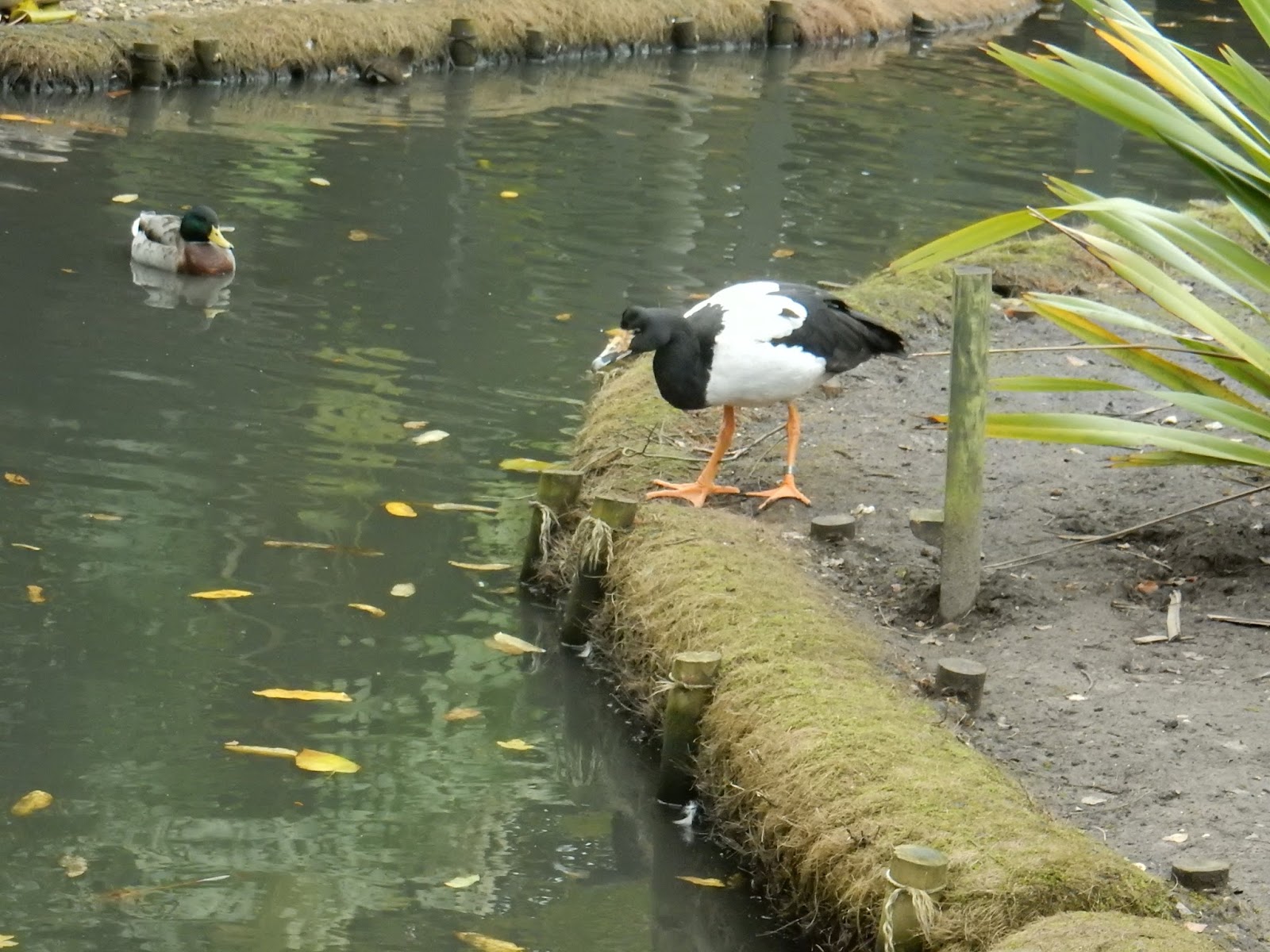
Despite being one of my busiest years yet, last year was in some ways a success for this blog, as I blogged more in 2016 than in any previous year since 2010 (the year Raptormaniacs was created). If anything, the frequent travel that I did helped me produce more content for the blog: I went to New York to visit a
temporary exhibit on bird origins, to
South Dakota to attend field camp, to
London for
TetZooCon, to
Utah for
SVP, and to
Bristol to study. It was not all just filler on here, however, given that I released the longest (and some might say most bizarre)
storyline for the Raptormaniacs comic to date. Well,
I enjoyed making it. The flip side of all this is that I largely neglected the
Tumblr sideblog, but something had to give. Lastly, April Fools'
happened, as usual.
 |
| Cover image for the "My Little Raptormaniacs" storyline. |
Enough about me, you're more likely here for the new maniraptor discoveries. In January, eggshell previously attributed to
Genyornis was
reinterpreted as belonging to
Progura.
Quill pits were reported from an Eocene penguin. The
genome of the great tit was sequenced.
Carotenoid-based feather coloration was found in pink-headed ducks. Great reed warblers were suggested to
sing outside of the breeding season to practice their songs. Forty-spotted pardalotes were found to
stimulate manna production in eucalyptus trees for feeding. New studies came out on
body mass of dodos, the
cranial biomechanics of moa, the
kicking strike of secretary birds,
vocal learning in zebra finches, and the evolution of
bill length in 'amakihi,
melanin-based coloration system in birds, and
chromosomes in white-throated sparrows. Newly-named maniraptors included the non-ornithothoracine avialan
Chongmingia zhengi, the Eocene stem-falcon
Antarctoboenus carlinii, the enantiornithine
Linyiornis amoena, the Cretaceous euornithines
Dingavis longimaxilla (which I find
suspiciously similar to
Juehuaornis) and
"Bellulia" rectusunguis (with its genus preoccupied, it would receive a new name later in the year), and the
Himalayan forest thrush (Zoothera salimalii).
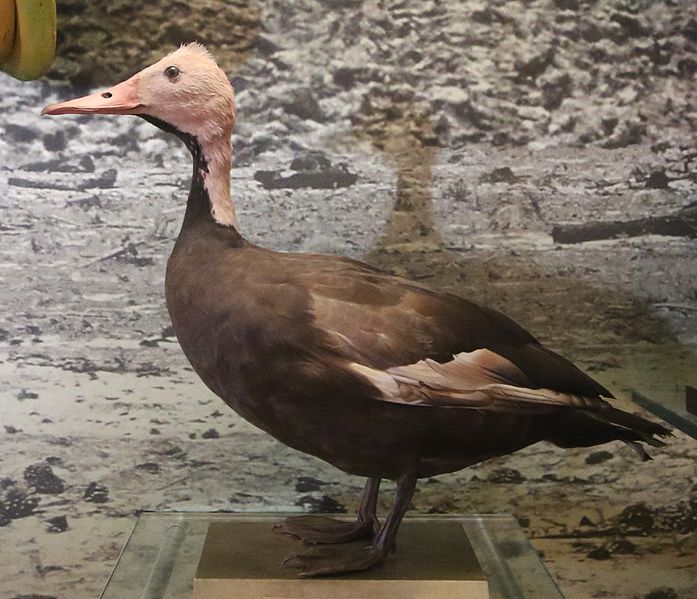 |
| Mounted specimen of a pink-headed duck, photographed by "Geni", licensed. |
In February,
duetting in red-backed fairy wrens was found to deter cuckoldry (among themselves, not among their listeners...). Evidence for a
theory of mind in common ravens was presented. A specimen of
Hesperornis was found with
injuries attributed to a plesiosaur attack. New specimens of
Archaeorhynchus and
Chambicuculus were described. "Furculae" assigned to
Dakotaraptor were
reinterpreted as turtle entoplastra. New studies came out on the
development of fibular reduction in birds, the
endocranial anatomy of dodos, the
evolution of sexually dimorphic tail feathers, the
feather structure of Humboldt penguins, and
sound recognition in European starlings. Newly-named maniraptors included the presbyornithid
Wilaru prideauxi, the dromornithid
Dromornis murrayi, and a bizarre possible maniraptor of uncertain placement,
Fukuivenator paradoxus.
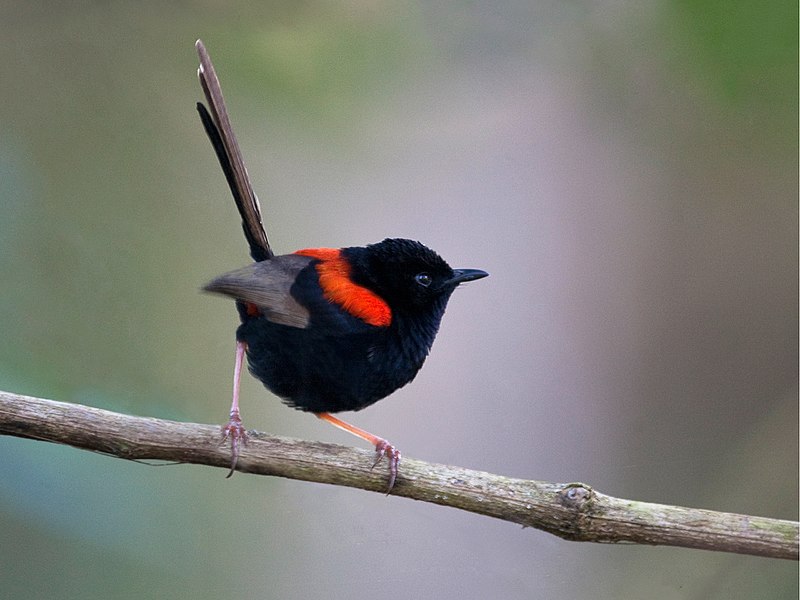 |
| Red-backed fairy wren, photographed by Greg Miles, licensed. |
In March, brown skuas were reported to be capable of
recognizing individual humans.
Compositional syntax was found in the calls of great tits. The
bill morphology of New Caledonian crows was shown to facilitate tool use.
Vocal learning was discovered in red-backed fairy wren embryos. New studies came out on the
evolution of color in island birds, the
development of feathered feet in domestic chickens and pigeons, the
migratory biology of ruby-throated hummingbirds, the
vision of small passerines, the
morphology of dodos, the
mandibular anatomy of
Segnosaurus, the
tarsometatarsal anatomy of ostriches, the
mechanics of sound production in the wings of
Smithornis broadbills, and the
phylogenetic position of
Sylviornis. Newly-named maniraptors included the Cretaceous euornithines
Hesperornis lumgairi and
Changzuiornis ahgmi, the Eocene apodiform
Cypseloramphus dimidius, and an Eocene bird of uncertain placement,
Lapillavis incubarens.
 |
| Skeletal reconstruction of Sylviornis, from Worthy et al. (2016). |
In April, island birds were found to
predictably evolve decreased flying ability. Golden-collared manakins and red-capped manakins were discovered to use
superfast forelimb muscle contractions during social displays.
Vocal mimicry in female superb lyrebirds was reported. The
reproductive biology of the sapayoa was described. A new enantiornithine
specimen was found to have fish remains as gut contents. New studies came out on the
rates of morphological evolution in Early Cretaceous birds, the
effect of diet on avian evolution, the
taxonomy of geranoidids from the Willwood Formation, the
migration strategies of pied flycatchers,
brain activity during flight in European starlings,
self-regulation in corvids,
dental disparity in paravians prior to the K-Pg, the
genetic basis for beak size in Darwin's finches, the
history of Australian penguins, the
biomechanics of courtship displays in Indian peafowl, the
evolution of skull shape in raptorial birds, and the
ontogeny of limb kinematics in chukars. Newly-named maniraptors included the oviraptorosaur
Apatoraptor pennatus and the plotopterids
Klallamornis abyssa and Olympidytes thieli.
.jpg/400px-Red-capped_Manakin_-_Rio_Tigre_-_Costa_Rica_MG_8090_(26651295756).jpg) |
| Red-capped manakin, photographed by Francesco Veronesi, licensed. |
In May, the
genetic basis for red coloration in birds was described. Research on the phylogeography of the vermilion flycatcher species complex resulted in the recently-extinct San Cristóbal vermilion flycatcher being declared a
distinct species. The bill of southern yellow-billed hornbills was found to function in
thermoregulation. Hybridization in geese was
reviewed. New studies came out on the
phylogeny of geese, the
structural mechanics of the feather vane,
polymorphism in black sparrowhawks, the
pelvic limb musculature of ostriches, the
evolution of bone-associated genes in birds,
duetting displays in magpie larks, and the
shape recognition in African gray parrots.
 |
| Diagram showing that the enzyme CYP2J19 converts yellow carotenoids to red carotenoids in birds, from Lopes et al. (2016). |
In June, wings of juvenile enantiornithines were found
preserved in amber.
Sexual dimorphism was found in
Dromornis stirtoni. Birds were discovered to have
higher neuronal density in their forebrains than mammals. Budgerigars and zebra finches were reported to
learn grammatical structure in different ways. New studies came out on
cognitive development in kaka, the
function of nocturnal song in field sparrows, the
genetic bases of beards and muffs in chickens, the
vascular anatomy of bird heads, the
evolution of communal signaling in birds, the
chemistry of
Troodon tooth enamel, and the
osteology of
Bathornis. Newly-named maniraptors included the lithornithid
Calciavis grandei. "
Bellulia"
rectusunguis was given the new genus
Bellulornis.
 |
| Wing of juvenile enantiornithine preserved in amber, from Xing et al. (2016). |
In July, great frigatebirds were found to
track atmospheric conditions during transoceanic flights. Feather keratin was suggested to be
durable enough to be potentially fossilized. The capacity for
flapping-based locomotion in Mesozoic paravians was evaluated. New Caledonian crows were reported to
use tools for carrying objects.
Relational concept learning was demonstrated in ducklings. New studies came out on the
consumption of blister beetles by male great bustards, the
preservation of avian fossils,
visual pigments in emus,
interspecies communication between greater honeyguides and humans,
visual guidance of flight in hummingbirds,
genomic variation in Darwin's finches, and the evolution of
ultraviolet vision,
closed-mouth vocalizations,
skull morphology, and
locomotion in birds. Newly-named avialans included the Pleistocene cuckoos
Centropus bairdi and Centropus maximus and the Miocene gypaetine vulture
Mioneophron longirostris.
 |
| Ducklings imprinted on a set of differently-shaped objects (A) prefer a novel set of differently-shaped objects over a novel set of identically-shaped objects (C), whereas ducklings imprinted on a set of identically-colored objects (B) prefer a novel set of identically-colored objects over a novel set of differently-colored objects (E)... though sometimes mistakes are still made (D), from Martinho and Kacelnik (2016). |
In August,
tool-bending behavior was found to be common in New Caledonian crows. Great frigatebirds were confirmed to
sleep in flight. Barbados bullfinches and Carib grackles were discovered to be capable of
passing the string-pulling test. The evolution of avian reproduction was
reviewed. Zebra finches were found to
sing to their unhatched chicks to prepare them for hot weather. New studies came out on the
phylogenetic position of the laughing owl, the
timing of the crown-penguin radiation,
genomic variation in the yellow-rumped warbler species complex, and the diversification of
kiwis and
passerines.
Birds of Stone by Luis Chiappe and Meng Qingjin was published and my review of it can be found
here.
 |
| Great frigatebird, photographed by "Aviceda", licensed. |
In September, pigeons were found to be able to
distinguish words from non-words. They were also found to
prefer informative over non-informative options and to
ignore misinformed leaders. The development of feathers was
reviewed.
Tool use was reported in Hawaiian crows. Melanin in feathers was
elementally characterized. A
hard polytomy was argued to be present at the root of Neoaves.
Pellets possibly produced by Eocene owls were described. European blackbirds were discovered to
switch abruptly to nocturnal flight during migration. New studies came out on the
phylogeny of New World vultures, the
function of nasal conchae in turkeys,
non-vocal signaling during courtship displays in blue-capped cordon bleus,
song complexity in pied butcherbirds, the
genetic bases for vision in raptorial birds, the
morphology of tracheal and esophageal displacement in birds, the
development of the grasping foot in birds, and the
dentitions of
Hesperornis and
Ichthyornis. Newly-named maniraptors included the Eocene stem-roller
Septencoracias morsensis,
the Dahomey forest robin (Stiphrornis dahomeyensis), the Ghana forest robin (Stiphrornis inexpectatus), and the Rudder's forest robin (Stiphrornis rudderi).
 |
| Hawaiian crow using stick as probing tool, from Rutz et al. (2016). |
In October,
red flight feathers in yellow-shafted flickers was found to be caused by diet rather than by hybridization with red-shafted flickers. A
preserved syrinx was reported from a specimen of
Vegavis. A
bonebed of
Avimimus was described at last after having been rumored at conferences for many years. Evidence was presented in favor of treating the hen harrier and northern harrier as
distinct species. A
parrot fossil was reported from the Miocene of Russia. Common swifts were discovered to spend
ten months in the air annually. Migratory life histories were found to
explain the extreme size dimorphism in
Eudyptes penguin eggs. New studies came out on
altruism in azure-winged magpies, the
relationships between flight style and avian wing aerodynamics, the
timing of the columbiform radiation, the
mechanics of plunge diving in sulids, and the
evolution of the avian bill as a thermoregulatory organ. Newly-named maniraptors included the Pleistocene owl
Bubo ibericus, the Eocene owl
Eostrix gulottai, and the Eocene albatross
Notoleptos giglii.
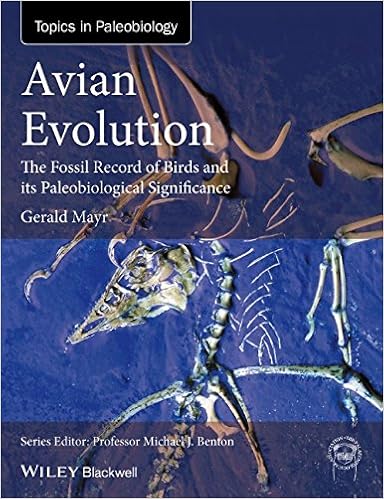
Avian Evolution by Gerald Mayr was published and my review of it can be found
here.
 |
| Preserved Vegavis syrinx, from Clarke et al. (2016). |
In November, an immature enantiornithine specimen was inferred to have had
iridescent feathers. Keratin preservation was reported in the
claws of
Citipati and the
feathers of
Eoconfuciusornis (alongside melanosomes in the latter case). A new
estimate argued that there are around 18,000 species of extant birds. Goffin's cockatoos were reported to be capable of
manufacturing tools out of different materials. The
microstructure of an isolated feather from the Fur Formation was analyzed. Interhemispheric transfer of imprinting information was found to be
absent in the brains of newly-hatched ducklings. New studies came out on the
morphology of
Chiappeavis, the
evolution of avian breeding strategies, and the
timing of the origins of avialans and neornithines. Newly-named maniraptors included the enantiornithine
Monoenantiornis sihedangia, the oviraptorosaur
Tongtianlong limosus, the Miocene galliforms
Eurobambusicola turolicus and Mioryaba magyarica, and the zygodactylids
Primozygodactylus longibrachium and Primozygodactylus quintus.
 |
| Holotype of Tongtianlong limosus, from Lü et al. (2016). |
In December, laser fluorescence was used to study the
soft tissues of
Confuciusornis. A new
juvenile specimen of
Sapeornis was described, revealing dentary teeth to have been present in this taxon. "
Liornis" and
Callornis were
reevaluated. Complexities in the evolution of avian flight were
discussed. New studies came out on the
flight parameters of Mesozoic avialans, the
histology of cranial joints in mallards, the
comparative morphometrics of Darwin's finches and Hawaiian honeycreepers, the evolution of
avian genomes and
paleognaths, the
morphology of the jugal and quadratojugal in maniraptors, the
relationships between body feather structure and habitat, and the
influence of wing morphology on dispersal in corvoids. Newly-named maniraptors included the Cretaceous euornithine
Tingmiatornis arctica.
 |
| Confuciusornis specimen photographed under laser fluorescence, from Falk et al. (2016). |